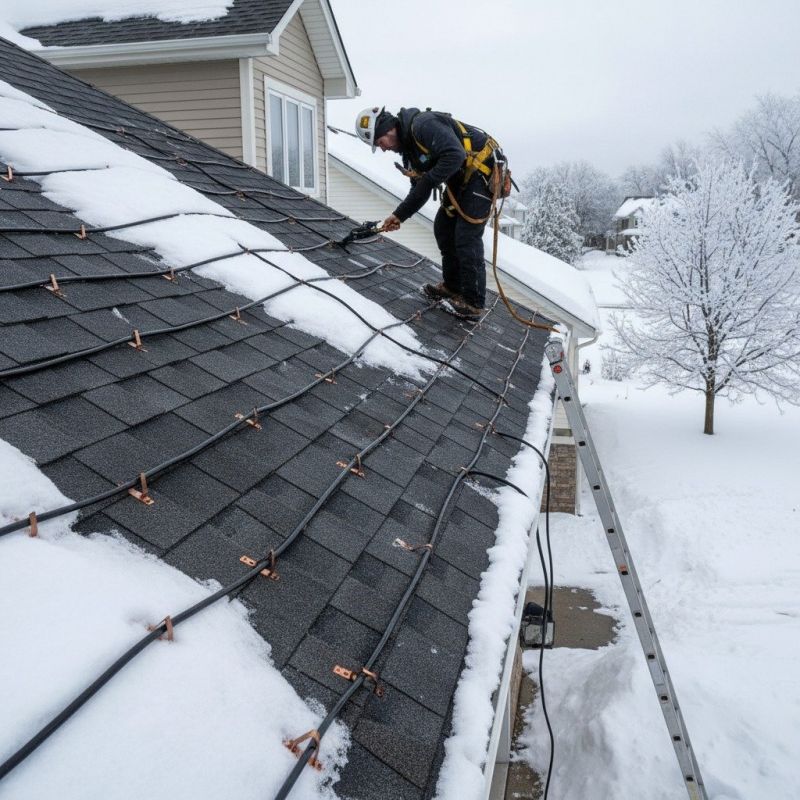
Heat Tape Installation in Oklahoma City, OK
Heat tape installation is a service designed to help homeowners prevent pipes from freezing during cold weather conditions. This involves installing electrical heating cables along vulnerable pipes, such as those in unheated basements, attics, or exterior walls. Property owners often request heat tape installation for projects like protecting outdoor faucets, garage plumbing, or water lines running through uninsulated areas to ensure continuous water flow and avoid costly pipe damage caused by freezing temperatures.
Before requesting heat tape installation, property owners typically want to understand the specific areas that need protection and the type of pipes involved. It’s important to consider the length and configuration of the pipes, as well as any existing insulation that might influence the effectiveness of the heat tape. Clarifying these details can help determine the appropriate heating cable type and installation method, ensuring reliable performance and peace of mind during the colder months.
Many property owners in Oklahoma City, OK look into Heat Tape Installation for repairs, replacements, upgrades, and appearance-related improvements.
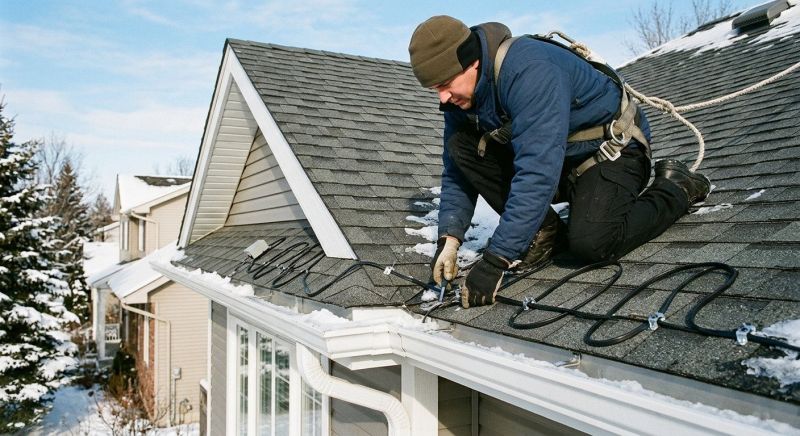
Preventing Ice Dams
Heat tape helps prevent ice buildup on gutters and roofs during winter in oklahoma city.
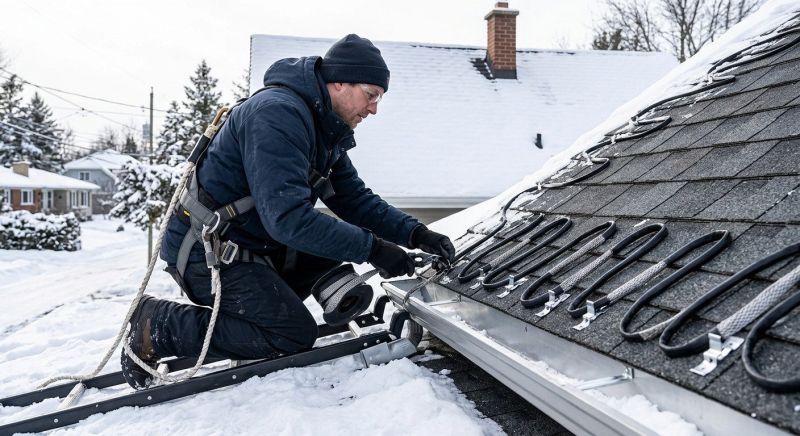
Protecting Pipes
Installing heat tape can keep vulnerable pipes from freezing in cold weather conditions.
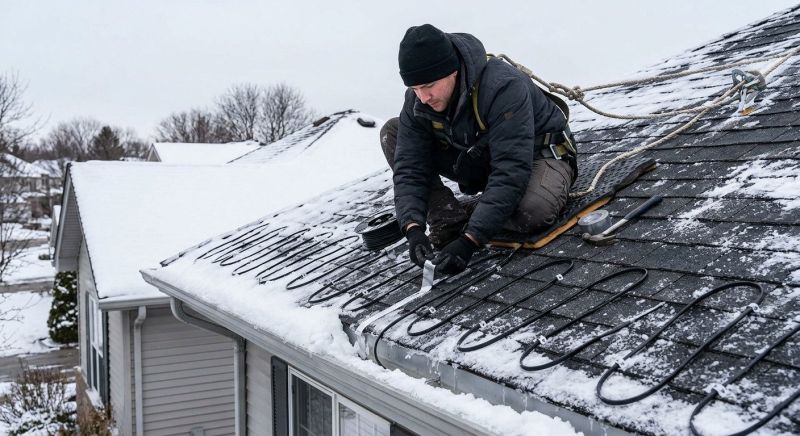
Ensuring Safe Pathways
Heat tape can be used on walkways and driveways to reduce ice formation and improve safety.
Heat Tape Installation in Oklahoma City, OK
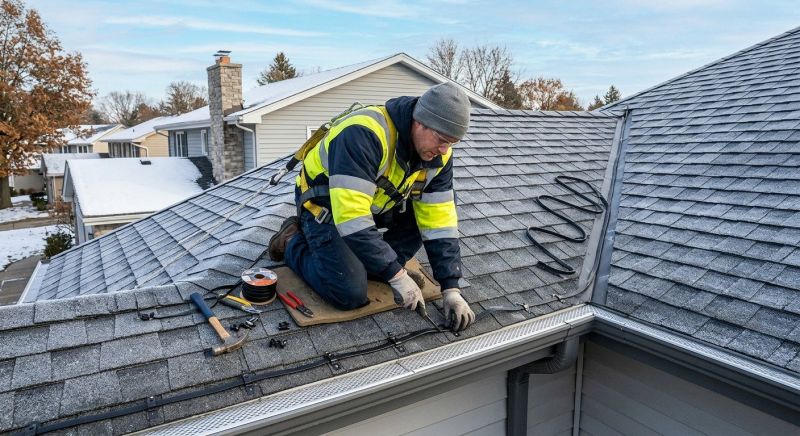
Heat tape installation is a service designed to help homeowners prevent pipes from freezing during cold weather conditions. This involves installing electrical heating cables along vulnerable pipes, such as those in unheated basements, attics, or exterior walls. Property owners often request heat tape installation for projects like protecting outdoor faucets, garage plumbing, or water lines running through uninsulated areas to ensure continuous water flow and avoid costly pipe damage caused by freezing temperatures.
Before requesting heat tape installation, property owners typically want to understand the specific areas that need protection and the type of pipes involved. It’s important to consider the length and configuration of the pipes, as well as any existing insulation that might influence the effectiveness of the heat tape. Clarifying these details can help determine the appropriate heating cable type and installation method, ensuring reliable performance and peace of mind during the colder months.
Many property owners in Oklahoma City, OK look into Heat Tape Installation for repairs, replacements, upgrades, and appearance-related improvements.
Common Heat Tape Installation Jobs
Heat Tape Installation - helps prevent pipe freezing during cold weather.
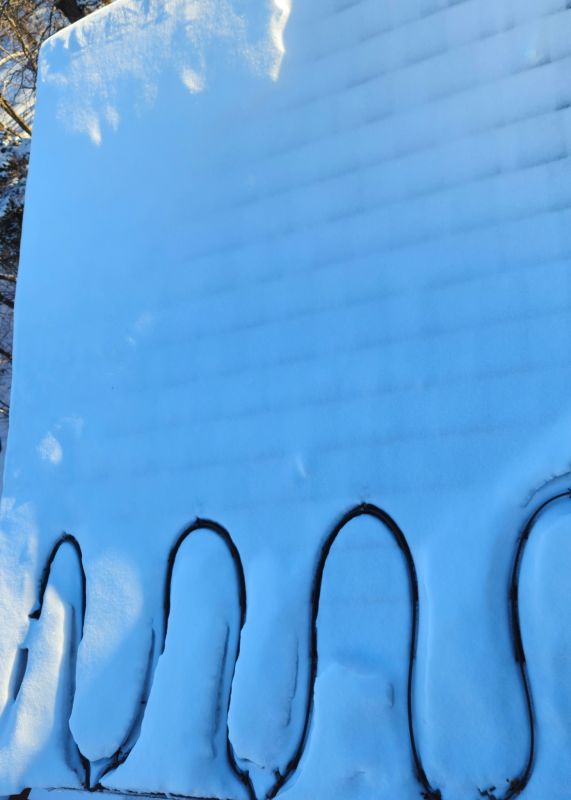
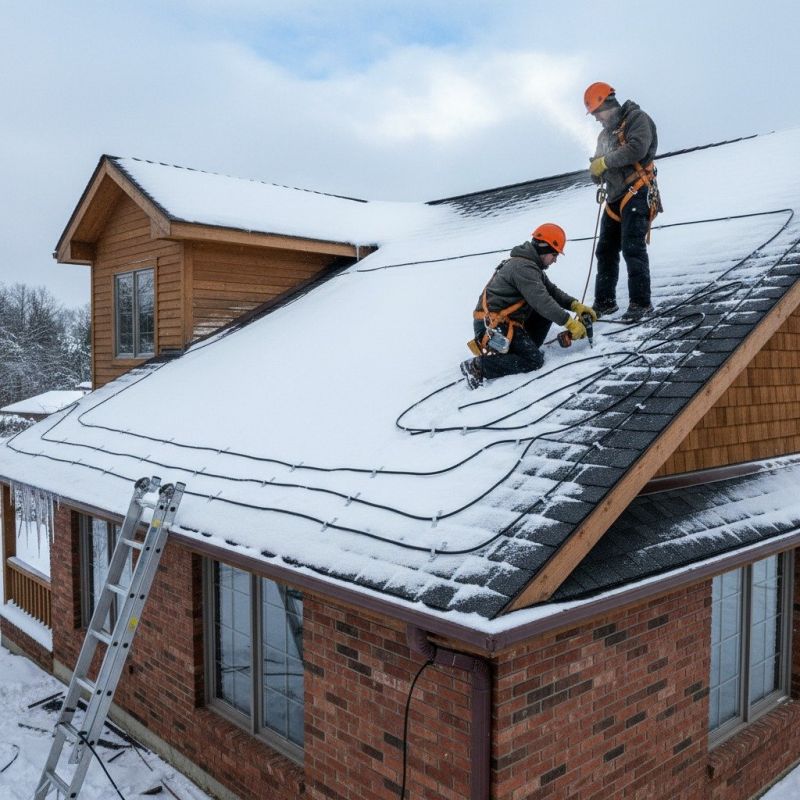
Roof and Gutter Heating - reduces ice dams and water buildup on roofs.
Walkway and Driveway Heating - keeps pathways clear of snow and ice for safety.
Attic and Basement Heating - prevents ice formation and moisture issues in these areas.
Pipe Insulation with Heat Tape - provides extra protection for vulnerable plumbing.
Custom Heat Tape Solutions - tailored to specific property needs for effective frost prevention.
Heat Tape Installation Questions
What is heat tape used for? Heat tape is used to prevent pipes from freezing during cold weather by providing targeted warmth along vulnerable areas.
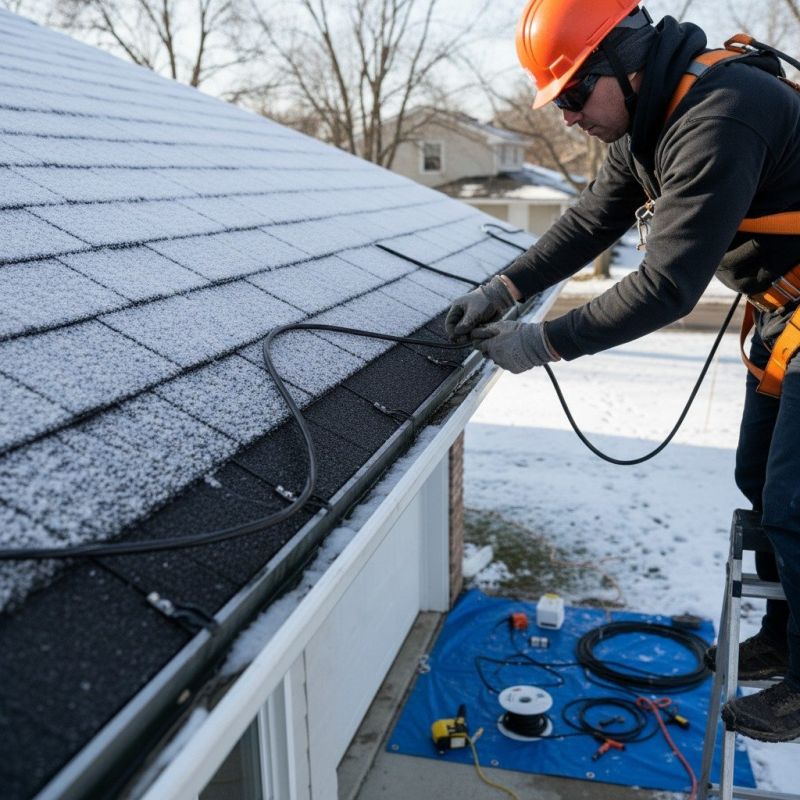
How does heat tape installation work? Installation involves securing the heat tape along pipes or surfaces that need protection, ensuring proper electrical connections and safety measures.
Which projects typically require heat tape? Heat tape is commonly used on outdoor water pipes, unheated basements, and other areas prone to freezing temperatures.
What should property owners consider before installation? It's important to assess the area's insulation needs and ensure proper placement to maximize effectiveness and safety.
Request Heat Tape Installation in Oklahoma City, OK
Use the quote form on this page to share the basics of your project and request more information for the type of work you need.